Environment strategy

Pathway to Zero

Our planet does a lot for us: it cleans the air we breathe, protects us from flooding, and provides us with food and natural resources, all essential elements for our everyday lives. As a business, we are committed to playing our part in addressing the climate emergency.

Our Pathway to Zero outlines the actions we’re taking to decarbonise our activities and those of our supply chain. We have established actions to address some of the most pressing environmental concerns, while accelerating the transition to a low-carbon economy. Our approach is centred on responsible business practices and a drive to reduce our environmental impact by embracing eco-friendly construction methods, sustainable materials, and energy-efficient technologies.

All our commitments are driven by measurable outcomes that embed sustainability in every business decision we make. We prioritise strong governance practices, guaranteeing transparency, ethical behaviour, and accountability throughout our operations. Our Pathway to Zero is designed to help us galvanise around our short-term targets, ensuring we make real, measurable progress whilst keeping an eye on the key long-term targets we also need to achieve.


Contributing to global priorities

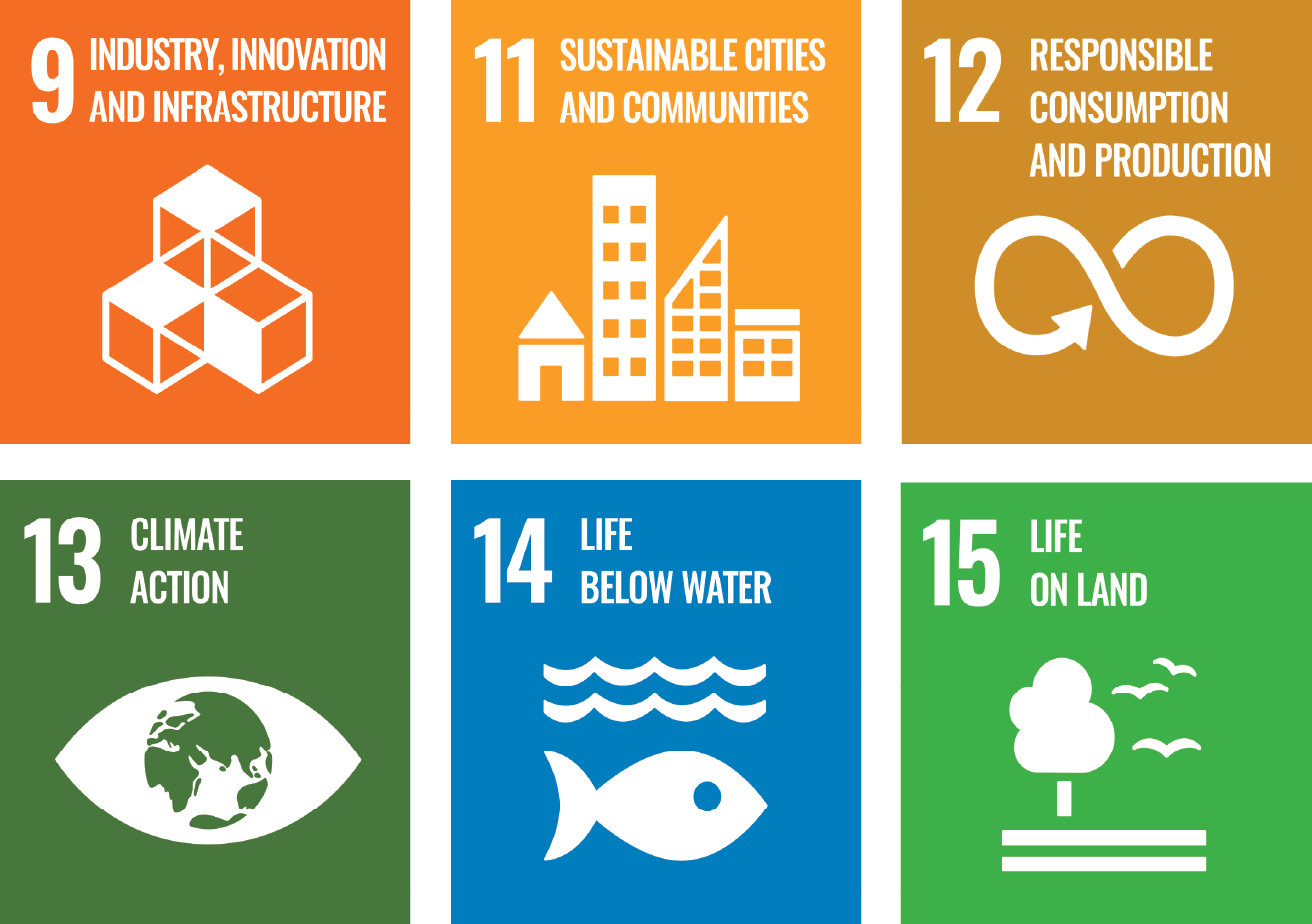
Alignment to the UN’s Sustainable Development Goals

The UN’s SDGs are a globally recognised set of goals covering three focus areas: environmental, social and economic, demonstrating that all three must go hand in hand when progressing towards sustainable development. While our operations have indirect impacts on all the SDGs, we have taken steps to align our strategy to the SDGs where we have the greatest direct impact. We have identified six priority SDGs aligned to our sustainability strategy, where we have a material impact across our business.
Strategic targets

Our pathway to zero carbon

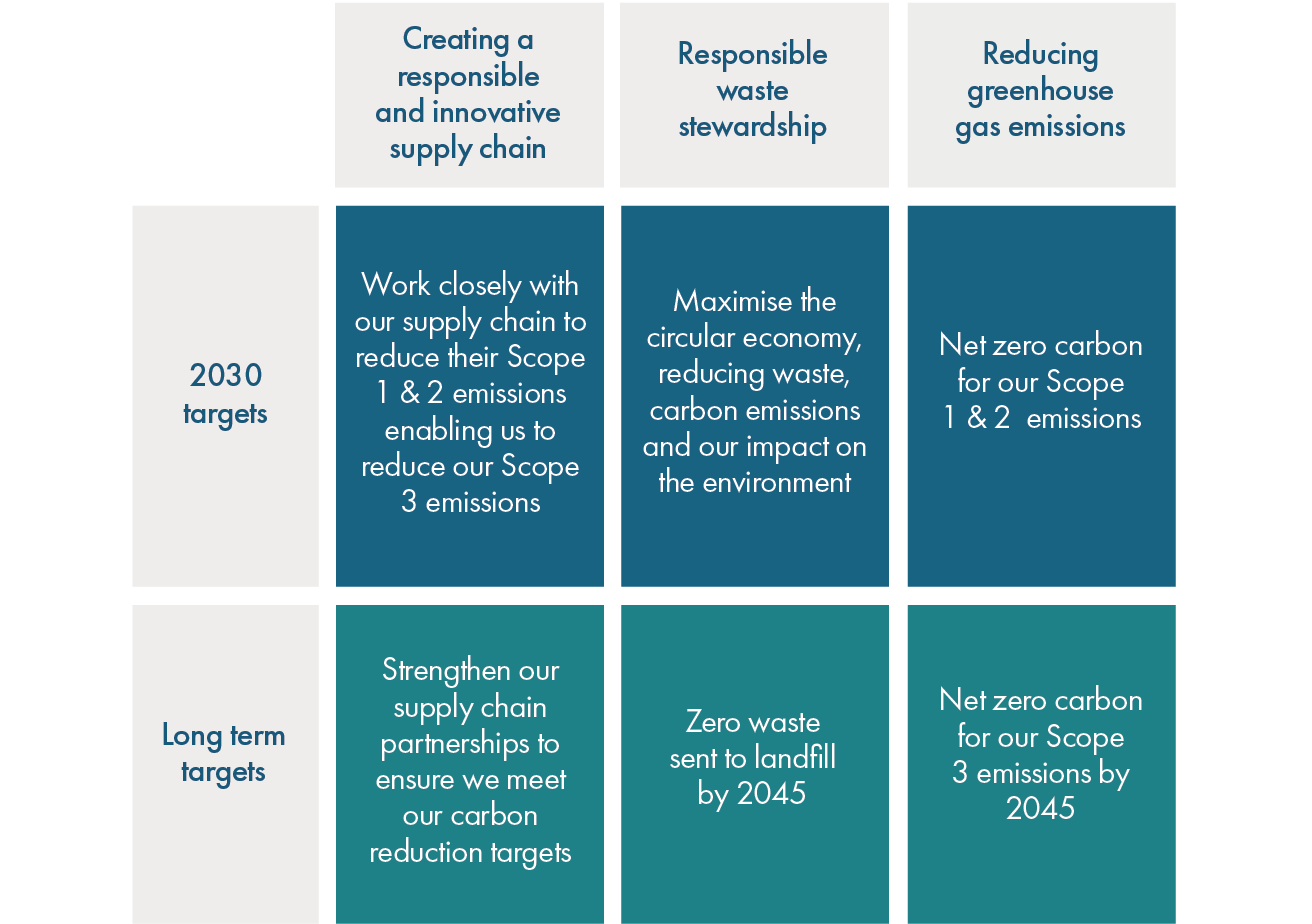
Business growth through mergers and acquisitions, and increased customer base has created the need to develop and review our sustainability strategy. Clarifying existing targets and identifying both long-term and short-term goals with sustainable outcomes has led us to develop three key targets; creating a responsible and innovative supply chain, responsible waste stewardship, and reducing greenhouse gas emissions.

We plan to support each of these targets with metrics to drive environmental performance, protect the environment and support people’s awareness and readiness for the future.

Close collaboration with partners

Creating a responsible and innovative supply chain

While we control our direct emissions from the energy and fuel we buy, we have far less control over the production of materials and the transportation of goods and services. Building long-term partnerships with our supply chain is a key focus of our business, moving from a transactional model to a collaborative, long-term approach focused on shared sustainability goals across procurement, construction, and operations. Working directly with our supply chain, we are helping them understand their emissions, set reduction targets, and implement strategies to decarbonise the goods and services they provide, including sharing knowledge and signposting to relevant accredited training, as well as how to utilise low-carbon construction methods and digital tools to maximise quality.

Innovation is also a key focus of our business. Through our Cultivate Platform, an innovation initiative designed to gather ideas for business improvement and future shaping, we collaborate with our supply chain to develop and bring new solutions to market, driving resource efficiency and broader sustainability benefits that underpin our pathway to net zero.

Reducing our impact on the environment

Responsible waste stewardship

Minimising our waste and environmental impact is a core part of our sustainability strategy, focusing on reducing, reusing, and recycling across all operations, adopting a circular-economy approach.

Our approach to waste and resource efficiency covers every stage of a project’s lifecycle, from the manufacture of materials and products to design, specification, and procurement. At every stage of the construction process, there are opportunities to avoid waste and reuse or recycle products.

We work closely with our supply chain, to reduce material use and eliminate waste, creating a framework for two-way collaborative learning that benefits from our experience and innovation in low-carbon infrastructure, as well as the specific skill sets of our partners.We also work closely with our people to upskill, educate, and sustain behaviours, making us more efficient, reducing our demand on the planet’s resources, and helping us meet our reduction targets.

We recycle and divert 99% of the waste we produce, and we are on track for zero waste to landfill by 2045.

Progressing towards net zero

Reducing greenhouse gas emissions

Our short-term target is to be carbon neutral for our Scope 1 & 2 emissions by 2030 (where Scope 1 & 2 emissions cannot be reduced, they will be offset responsibly), and our long-term aim is to be net zero for our Scope 3 emissions by 2045.

We’ve been successful in tackling our carbon emissions in recent years, reducing our dependence on fossil fuels in our buildings, and purchasing energy in a cost-effective, compliant, and environmentally responsible manner. We continue to adopt new solutions that reduce carbon output on sites and across our operations.

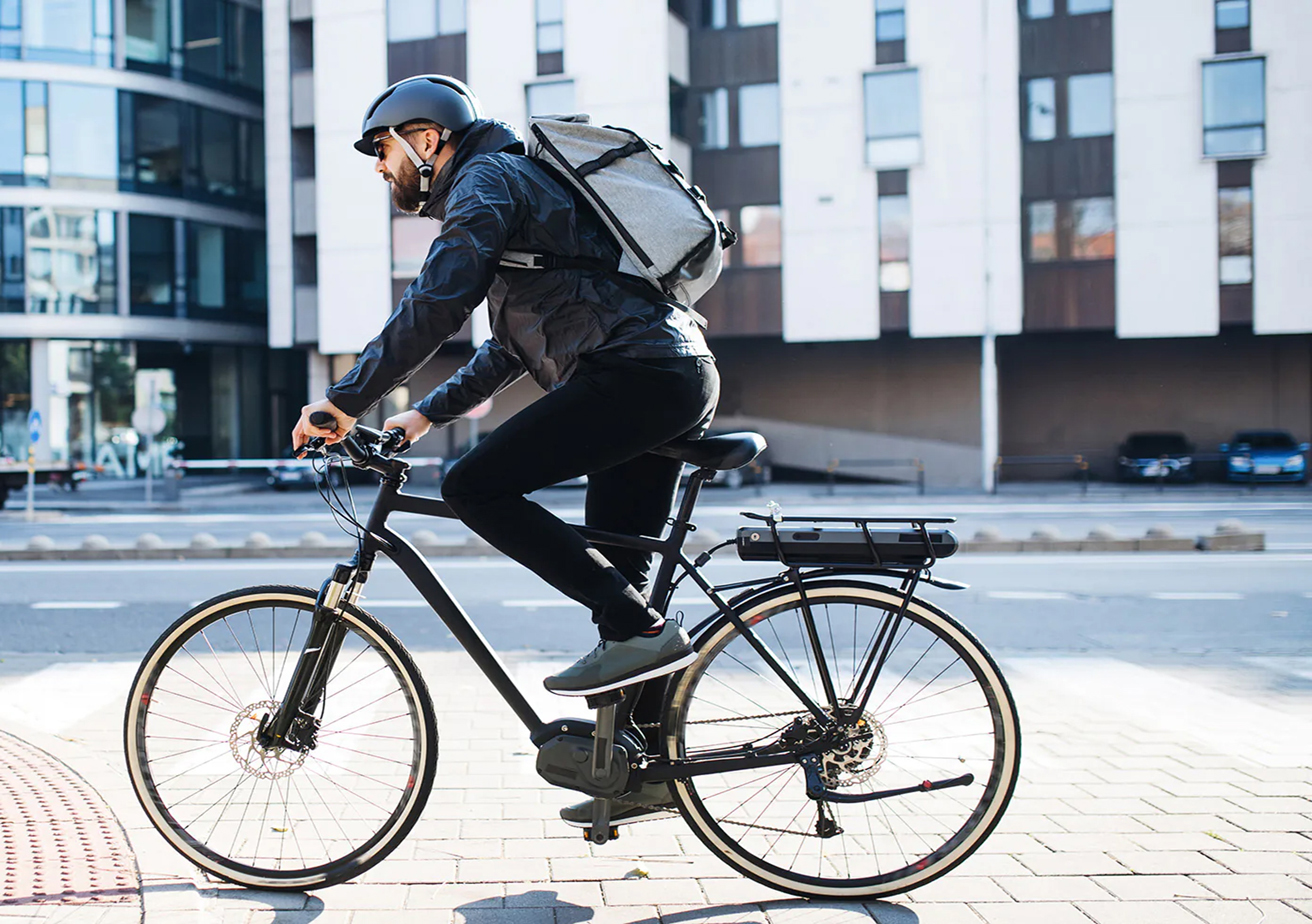
We have also introduced policies and initiatives to help us reduce our transport costs, mileage and emissions. These include options for home working, implementing a new EV car benefit scheme, installing electric vehicle charging points at offices and sites, and incentivising walking and cycling to work through the Cycle to Work scheme.

Accreditations

Proud of our accreditations

5% club
Investors in people
Rospa gold award
disability confident committed badge
considerate constructors scheme logo
armed forces covenant supporters
acca logo
no falls supporter gold badge

© UNITED INFRASTRUCTURE LIMITED. Registered No: 14888602. VAT Number: 865246406