
Is there a role for hydrogen in a low carbon future?
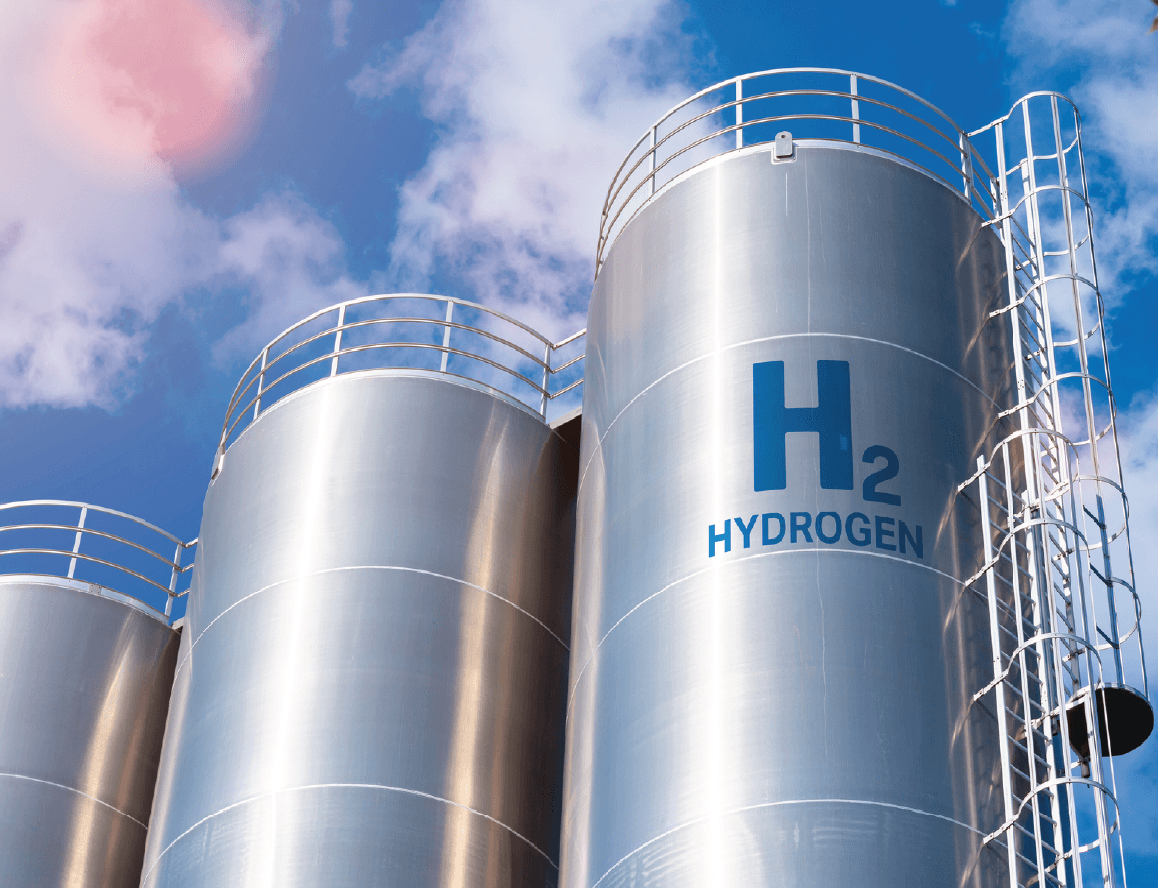
Griff Thomas, Executive Director of Energy Transition and External Affairs, looks at recent legislative changes designed to reduce the cost of ‘green’ hydrogen and growing support for the role of this fuel in decarbonising our industrial heartlands.
On March 26th, the government revealed that the Climate Change Levy (CCL) would be removed from electricity used in the production of ‘electrolytic’ (green) hydrogen, significantly lowering the operational expenditure for producers coming into the market.
This move, along with announcements earlier in the year regarding the proposed Humber Hydrogen cluster – part of a wider group of bids seeking government support of around £500 million under hydrogen funding programmes – demonstrate Labour’s position as outlined in the Spring Statement: low carbon hydrogen is essential to the UK becoming a Clean Energy Superpower.
For hydrogen to take its place as a contributor to net zero, however, we need a mix of production types and an understanding that we are on a journey, rather than at the destination.
Green hydrogen is the goal, but we’re not there yet
At the moment, green hydrogen, produced via electrolysis using renewable electricity, is widely regarded as the cleanest form of hydrogen. However, it is currently constrained by cost and availability at scale, and therefore best suited to smaller, site‑specific applications.
While the removal of the CCL will help with the overheads, most hydrogen is and will continue to be produced from natural gas using processes such as steam methane reforming or autothermal reforming. These processes inevitably generate significant volumes of CO₂, but when combined with carbon capture and storage (CCS), environmental credentials are dramatically improved, turning ‘grey’ hydrogen to ‘blue’.
By capturing CO₂ at the point of production, compressing and transporting it, and storing it permanently in geological formations such as depleted gas fields, hydrogen production can achieve substantially lower emissions and be produced in large volumes using established infrastructure, making it essential to meeting the government’s target of 10GW of hydrogen production by 2030.
Blue hydrogen is presently the only way to cost-effectively and reliably support large industrial users with continuous demand, enabling early hydrogen networks while renewable electricity capacity continues to grow.
Importantly, carbon capture should not be viewed as the end goal, but as a bridge, allowing our industrial heartlands to maintain operations while delivering meaningful emissions reductions now, while buying time for green hydrogen production to expand.
An industrial fuel
The jury might presently be out on hydrogen as a viable alternative to Natural Gas in a domestic setting, but for industries requiring sustained temperatures above 1,000°C – including steelmaking, glass and ceramics, cement and lime production, and bricks and aggregates – hydrogen can deliver intense heat without carbon emissions at the point of use, making it one of the few viable routes to decarbonising these hard‑to‑abate sectors.
And, in several industrial processes, hydrogen is not simply a fuel but a core raw material. It is essential to ammonia and fertiliser production, therefore contributing to global food supply. Hydrogen is also used extensively in oil refining to remove sulphur and impurities, helping meet fuel quality and emissions standards. Hydrogen is also fundamental to the production of methanol and other basic chemicals used in plastics, solvents and synthetic materials.
For the regions where this type of industry is located, such as the Humber, Teesside, Wales, the North West and Scotland, the development of ‘hydrogen hubs’ signal long‑term investment, industrial resilience and meaningful job creation in communities that have powered the UK economy for generations.
Humber Hydrogen
Humber Hydrogen sets out plans for the country’s first fully integrated hydrogen transport and storage network, bringing together production, pipelines, large‑scale storage, delivered in the first instance to industrial end users.
Led by Centrica, Equinor, National Gas and SSE Thermal, the proposal includes hydrogen pipelines, significant underground storage at Aldbrough using an existing gas storage facility, and multiple production plants. Both green and blue hydrogen are planned, with carbon capture and storage (CCS) incorporated to ensure robust environmental credentials.
Hydrogen clusters across the north, Wales and Scotland
In the North West and North Wales, the HyNet project represents one of the UK’s longest‑running industrial decarbonisation initiatives. Focused on blue hydrogen production with CCS, HyNet is designed to serve manufacturing, chemicals, glass and cement industries, supported by hydrogen pipelines and CO₂ storage in Liverpool Bay – a project that United Infrastructure is already involved in.
West Wales Hydrogen comprises a green hydrogen production facility located in Puma Energy’s hydrocarbon storage and distribution terminal in Milford Haven, at the site of a former oil refinery. The terminal, part of the Celtic Freeport, is already equipped with 63 storage tanks, a comprehensive network of pipelines connecting storage and jetty facilities, and road and rail loading capabilities.
Further north, Scotland’s flagship Acorn Project at St Fergus combines blue hydrogen production with CCS, reusing existing oil and gas infrastructure to transport and store CO₂ beneath the North Sea. Hydrogen produced at Acorn is intended for industry, transport and blending into gas networks, positioning it as one of the most advanced CCS‑enabled hydrogen projects in the UK.
Jobs, skills and local prosperity
Beyond emissions reduction, hydrogen and carbon capture projects represent a significant economic opportunity. Building and operating production plants, pipelines, storage facilities and CCS infrastructure will create thousands of skilled jobs, many of which align closely with existing capabilities in the gas, energy and infrastructure sectors.
This transition offers continuity as well as change for the communities in these regions: a natural evolution for existing engineers and technicians, rather than a disruptive replacement of industries. Long‑term investment in hydrogen infrastructure will support local supply chains, apprenticeships and economic growth for decades to come.
Looking ahead
The removal of the CCL for hydrogen electrolysis and the emergence of large‑scale hydrogen and CCS projects mark exciting steps in the UK’s decarbonisation journey. These proposals demonstrate that the energy transition can be ambitious, practical and inclusive, reducing emissions while strengthening industrial competitiveness and creating lasting value in local communities.
United Infrastructure has extensive experience delivering the pipelines and CCS infrastructure that underpin these projects, and we are committed to supporting the hydrogen economy at every stage. With the right policy support, investment and collaboration, hydrogen can play a central role in building a cleaner, more resilient industrial future for the UK.